
Maximizing TruthFinder Benefits for Student Transportation Oversight
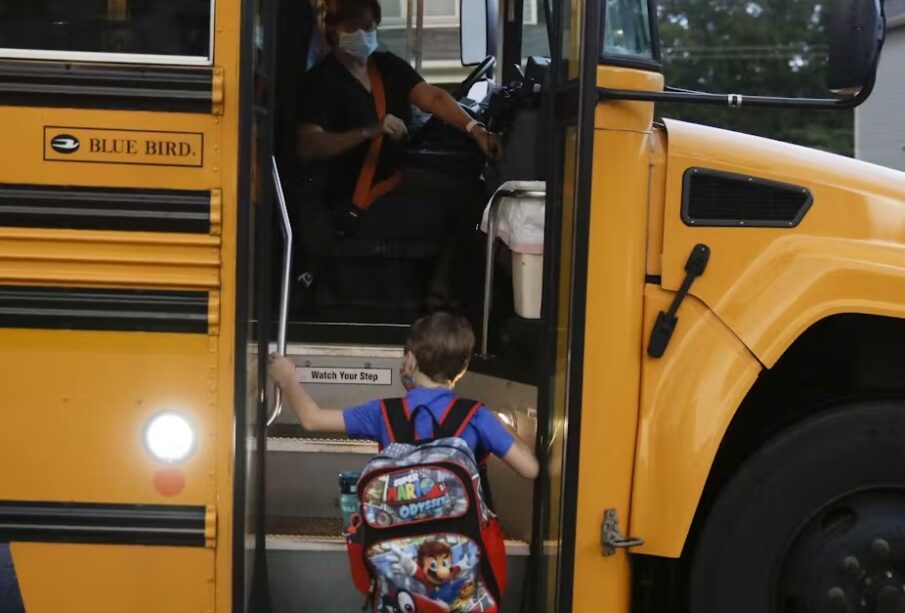
Ensuring safe student transportation requires parents to balance practical convenience with rigorous safety verification in today’s complex commuting environment. As millions of children rely on various transportation arrangements to reach their schools, families encounter decisions that demand careful evaluation of driver qualifications and neighborhood conditions. The tragic reality that vehicle crashes take the lives of six young people aged 16 to 19 every single day throughout the United States illustrates why systematic transportation safety assessment has become an indispensable aspect of responsible parenting.
The Evolution of Student Transportation Patterns
Contemporary urban development and escalating traffic complexity have fundamentally reshaped how families approach school commuting arrangements. Carpooling has gained traction as families seek practical solutions to navigate increasingly challenging transportation logistics, yet these arrangements introduce safety variables requiring thorough assessment. Documentation from the National Highway Traffic Safety Administration establishes that motor vehicle crashes continue ranking among the top causes of teenage mortality, demonstrating that transportation safety concerns extend across all student travel methods, not exclusively teen-driven vehicles.
This transformed landscape has generated genuine demand for verification resources that enable parents to make well-informed transportation partnership choices. Traditional community oversight systems that historically provided natural safety monitoring have evolved significantly, making structured verification processes increasingly essential for protecting children during their educational travels.
TruthFinder’s Data Integration and Report Generation
TruthFinder operates through a comprehensive collection of information from multiple government databases and public information sources across federal, state, county, and municipal jurisdictions. This extensive data integration creates detailed reports that assist parents in evaluating transportation possibilities and understanding neighborhood safety dynamics more thoroughly.
The service’s reporting structure typically incorporates diverse information categories, including current and past address records that facilitate tracking of residential history across various timeframes and geographic regions. Reports may also feature contact information, criminal history records, traffic violation documentation, property ownership data, and social media profiles when accessible through public channels.
Parents must recognize that TruthFinder cannot be employed for Fair Credit Reporting Act applications, such as employment verification, tenant screening, or credit evaluation processes. The platform concentrates specifically on assembling publicly available information for personal safety awareness and informed decision-making applications.
Fostering Community Cooperation Through Safety Verification
Implementing background verification while preserving harmonious family relationships requires thoughtful communication and considerate interaction. Parents can introduce safety conversations by discussing protocols, insurance documentation, and driving credentials, organically incorporating background verification within broader safety planning initiatives. TruthFinder searches gain community acceptance when framed as collaborative safety measures benefiting all participating families rather than unilateral investigative actions.
Productive carpool groups frequently establish credibility by having families voluntarily provide their background information initially, demonstrating transparency, commitment, and fostering trust among all participants. This strategy converts potentially uncomfortable verification into constructive community development that strengthens inter-family relationships.
Detecting Significant Transportation Risk Factors
Traffic violations and driving under the influence charges represent the most critical safety concerns when assessing potential drivers for children’s transportation arrangements. TruthFinder reports may present criminal and traffic records when available in public databases, enabling parents to identify problematic patterns before finalizing transportation partnerships.
Essential warning indicators include DUI convictions, reckless driving citations, excessive speeding violations, and recurring moving violations. State legislation varies regarding DUI penalties, with increased consequences when children are passengers. Illinois exemplifies this legal approach by requiring mandatory $1,000 fines for first-time offenders caught driving under the influence with passengers under 16 years old.
Conducting Thorough Neighborhood Safety Research
While school bus transportation offers statistically superior safety compared to private transportation options, parents maintain reasonable concerns about pickup and drop-off locations, especially regarding registered sex offender proximity. TruthFinder’s reverse address lookup capability enables users to investigate their neighborhoods and collect information about surrounding residential areas.
The platform aggregates data from various sources, including federal databases like the Dru Sjodin National Sex Offender Public Website. Parents should supplement this information with current data from state sex offender registries, local sheriff departments, or police departments for the most recent information available.
Establishing Comprehensive Safety Protocols
Background verification functions as one component within thorough transportation safety planning. Parents must combine TruthFinder research with practical safety measures, including appropriate child restraint verification, insurance coverage confirmation, clear procedural guidelines, comprehensive emergency contact systems, and established behavioral standards for all children involved in transportation arrangements.
Written documentation eliminates confusion and maintains consistency among participating families, clearly outlining locations, timing requirements, and procedural expectations so all parties understand their complete obligations and responsibilities.