The Importance of Reflection and Self-Evaluation in IB Education
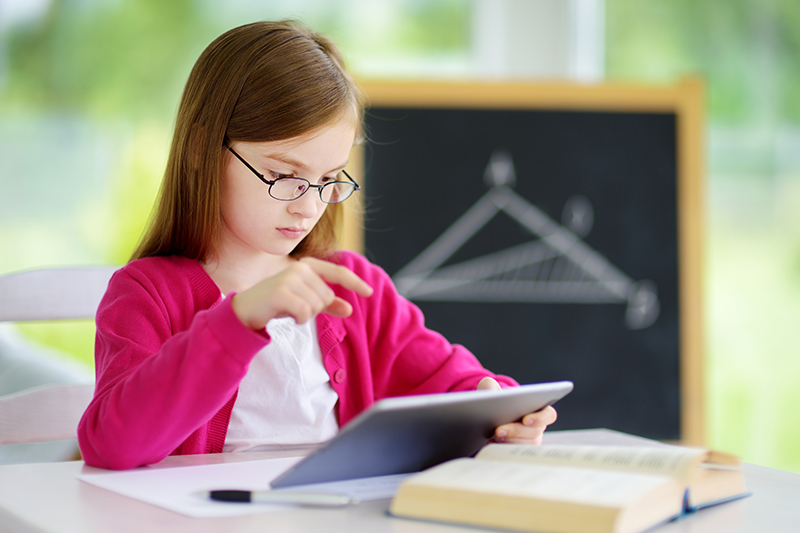
Reflection and self-evaluation are essential components of modern education, helping students develop a deeper understanding of their learning journey. Rather than focusing solely on academic outcomes, these practices encourage students to think critically about their strengths, challenges, and areas for improvement. In an educational framework that values inquiry, personal growth, and lifelong learning, reflection becomes a powerful tool for shaping confident and capable individuals.
One of the key reasons parents choose IB schools Mumbai is their emphasis on holistic development. These schools encourage students to become active participants in their own learning process. Through regular reflection, students learn to assess their performance, identify gaps in understanding, and set meaningful goals. This habit nurtures accountability and independence, preparing them to succeed both inside and outside the classroom.
Reflection allows students to move beyond memorization and engage more deeply with concepts. When learners take time to think about what they have learned, how they learned it, and why it matters, they develop stronger critical-thinking skills. Self-evaluation helps them recognize effective learning strategies and adapt when challenges arise. As a result, students become more resilient and motivated to improve continuously.
Another important benefit of reflection is the development of self-awareness. Students gain a clearer understanding of their abilities, interests, and personal values. This awareness helps them make informed decisions about their academic pathways and future aspirations. By evaluating their progress regularly, they become more confident in their strengths while remaining open to growth and improvement.
In addition to academic benefits, reflection contributes significantly to emotional and social development. Students learn to consider different perspectives, understand their reactions to situations, and develop empathy for others. These skills are essential in today’s interconnected world, where collaboration and communication are highly valued. Reflection encourages learners to think thoughtfully about their experiences and relationships, fostering emotional intelligence and maturity.
Self-evaluation also promotes goal-oriented learning. Instead of relying solely on external feedback, students learn to assess their own progress against clear objectives. This process empowers them to take ownership of their achievements and challenges. By setting realistic goals and monitoring their development, learners build determination and a growth mindset that supports long-term success.
The emphasis on reflection extends beyond classroom learning. Students are encouraged to evaluate their involvement in extracurricular activities, community service projects, and personal interests. This comprehensive approach helps them connect their experiences to broader life lessons and develop a balanced perspective. Such opportunities strengthen leadership skills, adaptability, and a sense of responsibility toward their communities.
Educational institutions that prioritize reflective practices create an environment where learning is viewed as an ongoing journey rather than a destination. Teachers guide students through meaningful reflection exercises, helping them gain insights that lead to continuous improvement.
Furthermore, reflection prepares students for future academic and professional environments. Universities and employers increasingly seek individuals who can evaluate their performance, adapt to changing circumstances, and demonstrate self-motivation. Students who develop reflective habits early are better equipped to navigate complex challenges and make thoughtful decisions throughout their lives.
In conclusion, reflection and self-evaluation play a vital role in fostering academic excellence, personal growth, and lifelong learning. By encouraging students to think critically about their experiences and take ownership of their development, these practices build confidence, resilience, and self-awareness. It is no surprise that many families seeking IB schools Mumbai value educational environments that prioritize reflective learning, as they help prepare students to thrive in an ever-changing world.