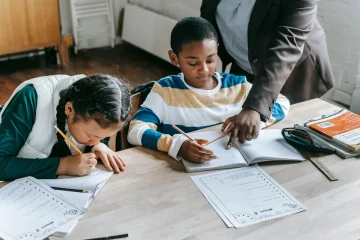
The Purpose and Impact of School in Personal Development and Society
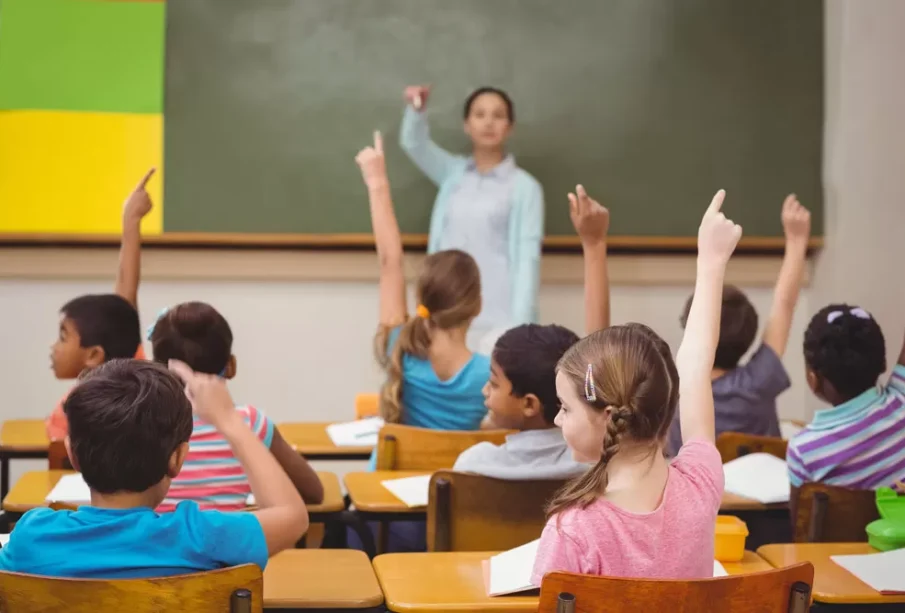
A school is more than just a place where students attend classes. It is a structured environment designed to build knowledge, social awareness, personal responsibility, and long-term skills that influence how individuals live, work, and contribute to society. From early childhood through secondary and higher education, school helps shape identity, habits, and world understanding. While every person experiences school differently, the core purpose remains consistent: to support intellectual growth and prepare individuals to participate fully in life.
The Foundation of Learning in School
School lays the groundwork for academic and cognitive growth. It introduces students to reading, writing, mathematics, science, reasoning, and communication. These subjects are not only academic exercises, but essential tools that influence everyday decision-making and understanding.
Students learn how to:
- Analyze information
- Recognize logical patterns
- Form ideas and express them clearly
- Apply concepts in real-life situations
The early years of school are especially important because they shape confidence and curiosity. Students who develop strong early learning habits often build a positive mindset about learning in general, which contributes to long-term personal progress.
Social Development and Emotional Growth
School is one of the first environments where individuals learn how to interact consistently with peers outside their family. It teaches cooperation, empathy, respect, and cultural understanding. Students are exposed to different perspectives and learn how to work with others who may think or behave differently.
Key Social Skills Developed in School
- Understanding shared responsibility and teamwork
- Communicating ideas respectfully
- Resolving conflicts constructively
- Developing empathy toward others
- Recognizing personal strengths and limitations
These experiences influence how individuals later participate in workplaces, communities, and relationships.
Building Discipline and Responsibility
School introduces structure. Students must follow schedules, complete assignments, follow instructions, and prepare for evaluations. These expectations teach responsibility and time management.
How School Encourages Discipline
- Routine schedules help students learn how to manage time
- Assignment deadlines create accountability
- Exams encourage preparation and focused study habits
- Classroom rules promote respect and cooperation
Responsibility developed in school often predicts how reliably individuals handle professional and personal commitments later in life.
School as a Foundation for Future Careers
Although career paths vary widely, school plays a critical role in preparing individuals for the professional world. Skills developed in classrooms are directly applicable to almost every type of work.
Key Career Skills Gained in School
- Communication and writing clarity
- Critical thinking and problem-solving
- Working collaboratively with groups
- Planning and organization
- Adaptability in new situations
Even subjects that may seem unrelated to a future job contribute to mental flexibility and decision-making abilities.
The Importance of Teachers in Shaping Learning
Teachers play a central role in the school experience. They are not only instructors, but mentors who guide students through academic challenges and personal development.
Characteristics of Effective Teachers
- Clear communication and understanding of subject matter
- Patience and encouragement
- Ability to explain concepts in multiple ways
- Awareness of individual student needs
- Encouragement of curiosity and confidence
When teachers build trust and create a supportive environment, students learn more effectively and feel empowered to explore new ideas.
School Environment and Student Success
The environment of a school influences how students feel and perform. Supportive and inclusive environments help students feel valued and safe, which improves focus and engagement.
Components of a Healthy School Environment
- Respectful communication among staff and students
- Safe and well-organized facilities
- Opportunities for student involvement and leadership
- Encouragement of academic and emotional growth
- Fair policies that promote equality
A positive environment reinforces learning, while a negative environment can discourage participation and motivation.
Extracurricular Activities and Personal Growth
School is not limited to classroom learning. Extracurricular activities such as sports, music, theater, clubs, and service groups allow students to explore interests and develop well-rounded identities.
Benefits of Extracurricular Participation
- Increased confidence and self-expression
- Improved physical health and teamwork skills
- Development of leadership and creativity
- Opportunities to build meaningful friendships
- Practice in setting and achieving personal goals
These activities help students discover talents that may shape future careers or lifelong hobbies.
Challenges Students May Face in School
Although school offers many benefits, challenges can arise. Academic pressure, social conflicts, learning difficulties, or lack of motivation may affect student performance. Recognizing these challenges is the first step toward managing them effectively.
Common Challenges
- Difficulty understanding certain subjects
- Anxiety regarding grades or performance
- Struggles with peer relationships
- Lack of confidence or self-esteem
- Distractions or limited support at home
Addressing these challenges often requires cooperation among students, families, and teachers to find strategies that encourage resilience and progress.
The Role of Parents and Guardians in Education
School is most effective when families participate in the educational process. Parents who actively support their child’s learning help reinforce positive habits and motivation.
Ways Parents Can Support Learning
- Encouraging consistent study routines
- Communicating respectfully with teachers
- Offering emotional support during stressful periods
- Celebrating small achievements to build confidence
- Providing a quiet space for homework and reflection
Support at home strengthens learning that happens in the classroom.
Preparing Students for Independence
As students progress through school, they gradually gain more independence and responsibility. Middle and high school years especially teach students how to make decisions that affect their academic and personal lives.
Independent Skills Learned in School
- Research and self-directed learning
- Planning long-term assignments and projects
- Managing personal schedules and commitments
- Advocating for themselves when they need help
These skills are crucial for college, work environments, and adult life.
The Cultural and Community Role of Schools
Schools often serve as cultural centers in communities. They bring together students and families of different backgrounds, helping create shared identity and mutual understanding.
Community Contributions of Schools
- Hosting cultural and educational events
- Providing community resources or support programs
- Encouraging civic awareness and participation
- Teaching local and global history to build understanding
Schools help shape responsible and informed citizens.
The Future of School in a Changing World
Education continues to evolve as technology, global communication, and career patterns change. The goal remains the same: to prepare students for life. However, the methods and tools used are expanding.
Trends Influencing the Future of School
- Increased use of digital learning tools
- Emphasis on collaboration and problem-solving
- Global cultural awareness in classrooms
- Focus on mental health and emotional support
- Personalized learning paths based on student strengths
Schools that adapt to these changes remain effective in preparing students for the world they will enter.
FAQs About School
How can students stay motivated in school long term?
Motivation grows when students connect learning to their interests and goals. Breaking tasks into smaller steps, celebrating progress, and staying engaged in subjects they enjoy helps maintain momentum. Support from teachers and family also plays a strong role.
What should students do if they feel overwhelmed with school work?
It is important to communicate with teachers or counselors early. Time management strategies, study groups, and breaking assignments into smaller tasks can reduce stress. Taking short breaks and maintaining healthy routines also support mental clarity.
How can schools better support students with different learning needs?
Schools can improve support by offering individualized learning plans, flexible teaching methods, and additional tutoring or mentoring. Recognizing that students learn differently helps ensure fair access to success.
What role do friendships play in school experience?
Friendships influence emotional well-being, confidence, and social development. Positive peer relationships encourage students to participate, try new activities, and approach school with enthusiasm.
How can students prepare for life after school?
Students benefit from exploring interests, gaining real-life experience through internships or volunteering, practicing communication skills, learning self-responsibility, and setting long-term goals. Preparation for life after school begins through consistent learning and personal awareness.