
The Reality of Enforcing Cell Phone Bans in the Classroom
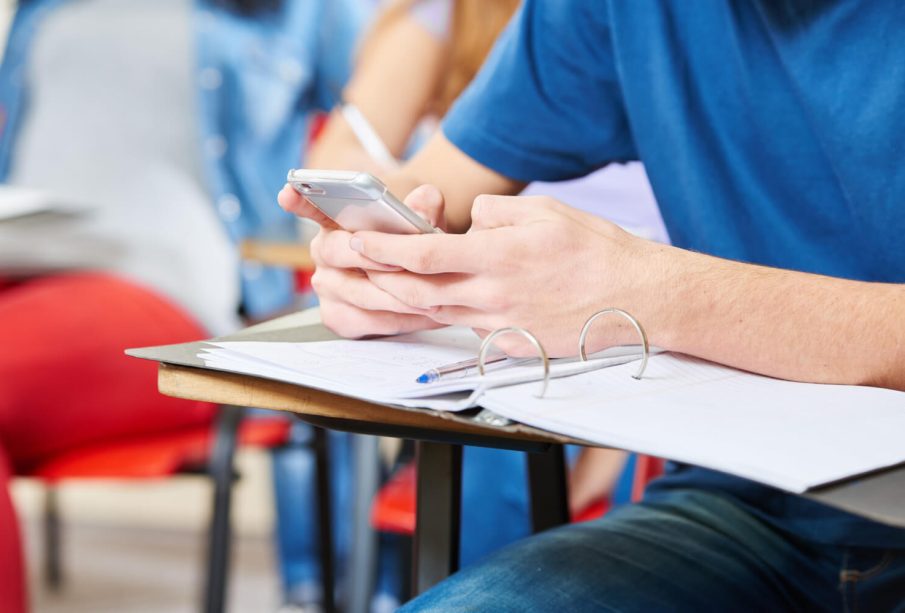
Picture a modern high school classroom just before the bell rings. Instead of chatting or opening textbooks, twenty-five teenagers sit in total silence, their faces illuminated by the blue glow of their screens. They are scrolling through TikTok, maintaining Snapchat streaks, and watching YouTube. In response to this generational crisis of attention, school boards and state legislatures across the country have eagerly drafted what they believe to be the ultimate silver bullet: the blanket cell phone ban.
On paper, these policies look fantastic. They promise a return to focused learning, organic peer socialization, and improved academic performance. But writing a sweeping mandate in an administrative boardroom and actually enforcing it on the educational front lines are two completely different realities. For the teachers tasked with executing these bans, the daily reality is a grueling, exhausting logistical battle that often pits them against not just the students, but the parents and the surrounding culture.
The Daily Logistics of Confiscation
The first major hurdle in any cell phone ban is the physical mechanism of separation. How do you actually get the device out of a teenager’s hands? Schools have experimented with a variety of strategies, each with its own set of debilitating flaws.
Many classrooms utilize over-the-door shoe organizers, affectionately dubbed “cell phone jails,” where students are required to deposit their devices upon entry. Other districts have invested heavily in locking magnetic pouches that students keep with them but cannot open until the final bell rings. While these tools sound foolproof, they require a massive daily time tax.
If a teacher has to spend the first five minutes of every class period policing the phone caddy, arguing with students who claim they left their device in their locker, and ensuring every pouch is securely locked, that is lost instructional time. Over the course of a week, a teacher might lose nearly an hour of academic instruction simply managing the logistics of cell phone confiscation. When a school demands higher test scores while simultaneously requiring teachers to act as tech-security guards, the expectations become fundamentally incompatible.
The Rise of the Decoy and the Smartwatch Loophole
Teenagers are digital natives and highly resourceful problem solvers. The moment a ban is instituted, the student body immediately begins crowd-sourcing loopholes.
The most common tactic is the decoy phone. A student will confidently walk into the classroom and drop an old, cracked iPhone 8 into the designated holder, while their actual, fully functioning iPhone 15 remains safely tucked in their hoodie pocket. Unless a teacher is willing to risk physical confrontation or legal liability by patting down a student, the decoy strategy works almost every time.
Furthermore, traditional phone bans completely ignore the proliferation of wearable technology. A student may have surrendered their smartphone, but they are still wearing an Apple Watch that vibrates with incoming text messages, social media alerts, and news notifications. They can discreetly read and reply to messages under their desk with a quick tap of their wrist. Enforcing a ban in a modern classroom frequently feels like a futile game of whack-a-mole; the moment you eliminate one distraction, technology evolves to provide another.
The Unexpected Adversary: Helicopter Parents
Perhaps the most shocking reality for educators enforcing these bans is that the fiercest pushback rarely comes from the students. It comes from their parents.
We live in an era of continuous, frictionless connectivity. Many modern parents are accustomed to having 24/7, instantaneous access to their children. They text their kids throughout the school day to remind them about dentist appointments, coordinate after-school pickups, or simply ask how a math test went. When a teacher confiscates a phone, they often find themselves on the receiving end of a furious email or phone call from a parent who feels their parental rights have been violated.
The Argument of Physical Safety
Parents frequently weaponize the very real fear of school violence to fight cell phone bans. In an era where school lockdowns are a tragic reality, parents argue that their child must have a phone on their person at all times in case of an active shooter situation.
While this anxiety is completely understandable, school safety experts consistently point out that a glowing, ringing cell phone is actually a massive liability during a lockdown. Furthermore, a network overloaded by hundreds of panicked students texting simultaneously can crash local cellular infrastructure, hindering emergency responders. Despite these expert warnings, the emotional need for a parent to have a direct lifeline to their child often supersedes the educational need for a distraction-free environment.
The Psychological Toll on the Classroom Environment
Teaching is an inherently relational profession. A successful classroom requires a foundation of mutual trust and respect between the educator and the students. A strict cell phone ban can severely damage that dynamic if not handled with immense care.
When a teacher’s very first interaction with a student every single day is a combative demand to surrender a piece of personal property, it sets a hostile tone. The teacher is instantly transformed from an academic mentor into a warden.
Additionally, we cannot underestimate the psychological withdrawal students experience when separated from their devices. For many teenagers, the smartphone is a digital pacifier used to soothe social anxiety. Stripping that away does not instantly result in a sudden desire to read classic literature. In the initial weeks of a ban, teachers report higher levels of student agitation, lethargy, and behavioral acting out. The students are essentially detoxing, and the classroom teacher is the one forced to manage the fallout without specialized psychological training.
The Necessity of Systemic Administrative Support
A cell phone ban is only as strong as the building principal enforcing it. If a teacher demands a phone, a student refuses, and the student is sent to the main office—only to return ten minutes later with their phone still in their pocket and a minor warning—the policy is instantly dead.
Students are incredibly adept at identifying hollow threats. If the administration caves to parental complaints or refuses to follow through on disciplinary consequences for device infractions, the teachers are left completely stranded on an island. They are forced to be the bad guys enforcing a rule that the school itself does not truly support. For a ban to have any chance of surviving the school year, the administrative team must establish a rigid, non-negotiable escalation matrix and take the burden of discipline entirely off the classroom teacher’s shoulders.
Moving from Blind Compliance to True Digital Citizenship
The reality of enforcing classroom cell phone bans is that prohibition alone is not an educational strategy; it is a temporary tourniquet. Removing the phone stops the immediate bleeding of attention, but it does absolutely nothing to teach a teenager how to manage their relationship with technology once the final bell rings.
Schools must pair these bans with robust curricula focused on digital citizenship, the neuroscience of dopamine loops, and the mechanics of the attention economy. We have to teach students exactly why tech companies design these apps to be addictive, empowering them to see their phones as tools rather than digital slot machines.
Until society as a whole renegotiates its relationship with constant connectivity, the classroom will remain a battleground. Banning phones in schools is a necessary, vital step toward rescuing a generation’s attention span, but we must be honest about the grueling reality of that fight. It requires unbreakable administrative backing, a massive cultural shift in parenting expectations, and an immense amount of grace for the teachers standing on the front lines every single day.