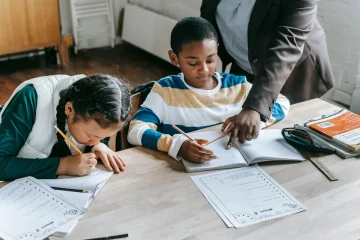
Understanding School as a Foundation for Lifelong Growth

School is more than a place where children sit in desks and memorize information. It serves as a structured environment designed to shape social development, critical thinking, personal identity, and preparedness for the world beyond childhood. The concept of school continues to evolve, adapting to cultural expectations, technological advancements, and changing workforce demands. Learning how school influences life helps parents, educators, and students recognize its purpose with greater clarity.
The Core Purpose of School
School exists to provide a balanced approach to education, helping students build academic knowledge while developing emotional and social maturity. The early years introduce literacy and numeracy, while later years expand into complex subjects, personal decision making, and opportunities to explore individual interests. The essence of school is not simply to transfer facts, but to guide students into becoming capable and responsible individuals.
Schools teach students how to:
- Communicate clearly and respectfully
- Solve problems independently
- Work cooperatively with others
- Manage time and expectations
- Develop personal confidence and curiosity
The school environment becomes a micro-society where students practice the skills required to thrive in adulthood.
Academic Learning and Intellectual Development
Academic instruction remains a central element of school. A well-rounded education introduces students to language arts, mathematics, science, social studies, and the creative arts. Each subject nurtures different areas of the brain and supports cognitive growth.
Language and Communication Skills
Learning to speak, read, write, and listen effectively influences every area of life. Schools place heavy emphasis on reading comprehension, vocabulary building, and written expression because strong language skills define success in both professional and personal conversations.
Mathematics and Logical Thinking
Math education develops reasoning, pattern recognition, and step-by-step problem solving. Even when students do not pursue math-related careers, logical reasoning formed in math classes improves life skills such as budgeting, strategic planning, and data interpretation.
Science and Inquiry-Based Learning
Science encourages curiosity and experimentation. Students learn to question assumptions, evaluate evidence, and test solutions. This mindset leads to creative and analytical thinking, both necessary for innovation and informed decision making.
Social Studies and Understanding Society
Subjects related to history, geography, civics, and culture help students understand how communities function and how individuals influence society. Learning about diverse cultures and historical events builds empathy and global awareness.
Emotional Development and Social Learning
School is where children and teenagers learn to interact with others outside their families. It offers valuable lessons in cooperation, empathy, leadership, and conflict resolution.
Building Relationships
Friendships made in school often help students learn loyalty, communication, and emotional support. Interacting with peers teaches individuals how to appreciate differences and find common ground.
Learning to Work in Groups
Group projects, class discussions, and team activities teach students how to:
- Share responsibility
- Listen to multiple viewpoints
- Compromise for collective success
These experiences mirror real workplace collaboration.
Developing Self-Confidence
School challenges students in ways that build resilience. Presentations, exams, performances, and sports require courage and discipline. Over time, students learn how to manage nerves, accept feedback, and trust their abilities.
The Learning Environment and School Culture
Every school has its own culture shaped by its staff, location, policies, and student body. A positive environment is one where students feel safe, supported, and encouraged to explore new ideas.
Strong school culture includes:
- Respectful teacher-student relationships
- Anti-bullying practices
- Encouragement of diverse interests
- Opportunities for student voice and leadership
When students feel valued, they are more likely to take academic risks, develop curiosity, and engage in class.
Extracurricular Activities and Talent Development
Academic classes are not the only place where growth happens. Sports teams, music groups, art clubs, debate clubs, volunteer programs, and leadership organizations offer hands-on opportunities for students to discover their strengths.
Benefits of Extracurricular Participation
- Improves teamwork skills
- Encourages time management
- Builds confidence through practice and achievement
- Allows students to explore possible career interests
- Strengthens college and job applications
These activities help students form identity beyond grades and classroom performance.
Challenges Schools Face Today
Modern schools face several challenges related to technology, inequality, mental health, and changing social expectations.
Technology Integration
While technology enhances access to information and learning, it also introduces distractions and requires educators to balance screen time with hands-on engagement.
Academic Pressure and Stress
Students often face high expectations regarding grades, testing, and future planning. Without adequate support, this pressure can lead to anxiety and burnout.
Social and Economic Inequality
Not all communities have equal access to resources such as updated textbooks, safe facilities, or advanced programs. Addressing this inequality remains one of the most important goals in education reform.
Supporting Mental Health
Schools increasingly recognize the importance of providing emotional support services. Counselors, social workers, and peer programs help students manage personal challenges and stress.
The Evolving Future of School
School continues to adapt to the demands of an ever-changing world. New educational models focus on creativity, collaboration, personalized learning, and real-world application of knowledge.
Key Trends Shaping the Future
- Blended learning combining digital and in-person instruction
- Project-based learning focused on real-world challenges
- Greater emphasis on career readiness and internships
- Inclusion of emotional intelligence and mindfulness education
The future of school aims to develop adaptable learners who can succeed in environments where change is constant.
Real-Life Example of School Impact
Consider a student entering school with limited confidence in communication. Through group discussions, presentations, and collaborative assignments, the student learns to speak clearly, listen actively, and express opinions thoughtfully. Years later, these same communication skills help them interview for college, present ideas at work, and build strong personal relationships. This illustrates how lessons from school extend into adult life.
Frequently Asked Questions
How can parents support a positive school experience?
Parents can participate by maintaining communication with teachers, providing a structured home environment, encouraging reading, and showing interest in school activities.
What makes a school environment feel safe?
A safe school environment includes clear behavioral expectations, respectful communication, supportive staff, and effective anti-bullying strategies.
Why is social interaction important in school?
Interacting with peers teaches students how to manage emotions, resolve disagreements, form friendships, and develop empathy. These skills are essential in adulthood.
How do extracurricular activities benefit students academically?
Students who participate in extracurricular activities often develop discipline, time management, and problem-solving skills that enhance academic performance.
What should students do if school becomes overwhelming?
Students should speak with a counselor, teacher, or trusted adult who can help them organize their workload, develop coping strategies, and adjust expectations when needed.