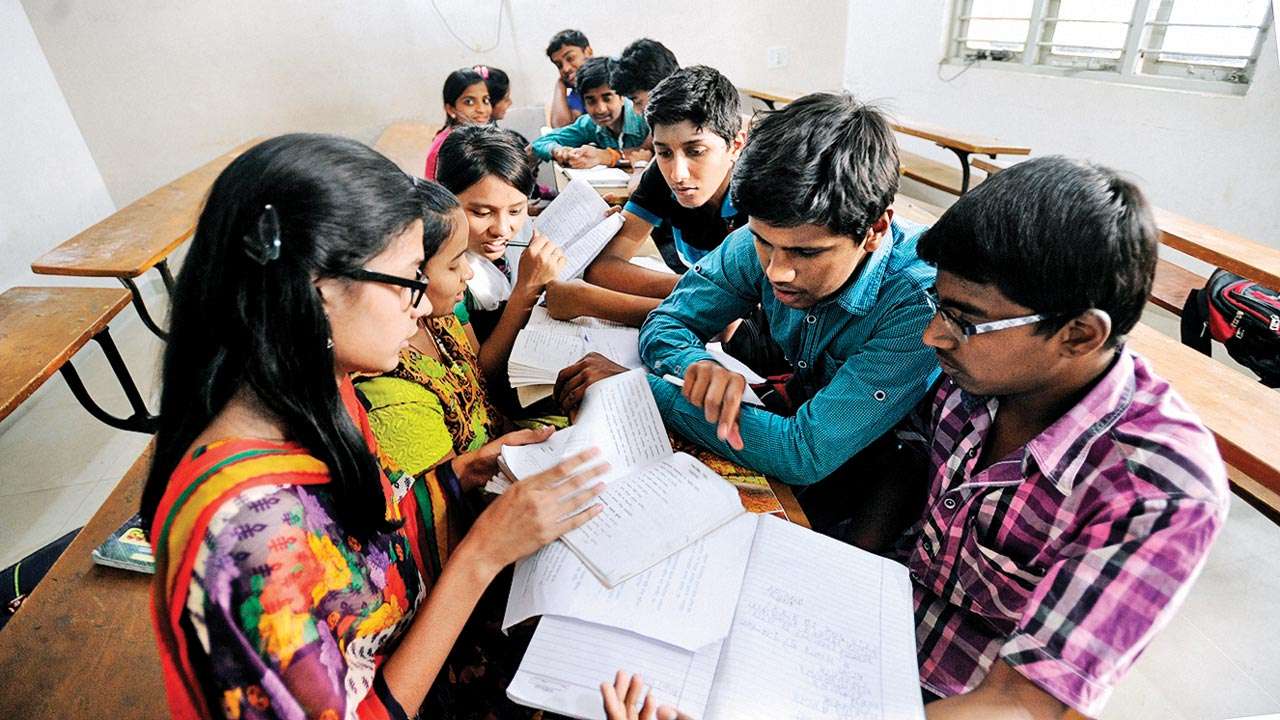
Guiding Families Through Education with Care and Purpose

The Role of a Strong Educational Foundation
Every child deserves a learning environment that nurtures their curiosity, builds their confidence, and instills values that prepare them for life beyond the classroom. Schools that focus not only on academic achievement but also on character development create a foundation that influences a child’s entire future. When parents search for more information about institutions that embody this philosophy, they often look for a blend of rigorous academics, moral guidance, and community engagement Rosarian Academy.
Nurturing Academic Growth
The heart of any school lies in its ability to challenge students academically. Strong programs emphasize critical thinking, communication, and collaboration, equipping students with the tools to succeed in higher education and professional settings. Small class sizes often allow teachers to provide personal attention, making it possible for students to receive the support they need to grow.
Academic programs that stand out typically include:
-
Advanced curriculum tailored to different learning levels
-
Opportunities for enrichment beyond the core subjects
-
Integration of technology to enhance problem-solving and creativity
-
Emphasis on reading, writing, and analytical skills
These approaches ensure that students are not only meeting educational benchmarks but also developing a genuine love for learning.
The Importance of Character Development
While grades and test scores are important, shaping a child’s character is equally vital. Schools that embed values such as respect, compassion, and integrity into daily learning help students grow into responsible citizens. Moral and ethical education provides guidance for decision-making, teaching young people how to approach life with empathy and resilience.
Character-building initiatives can take many forms, including:
-
Service projects that connect students with their local community
-
Mentorship programs pairing older students with younger ones
-
Classroom discussions that emphasize respect for diverse perspectives
-
Leadership opportunities that encourage accountability
By prioritizing these values, schools prepare children to make meaningful contributions to society.
Building a Sense of Community
Education thrives when there is a partnership between parents, teachers, and students. A strong sense of community provides students with a network of support, giving them the confidence to explore new interests and take on challenges. Celebrations, performances, and collaborative events strengthen the bonds among families and staff.
This community-centered approach often includes:
-
Family involvement through volunteering and parent associations
-
School events that encourage participation and cultural appreciation
-
Open communication channels between educators and parents
-
Alumni networks that extend support and mentorship
A connected community ensures that students feel supported both inside and outside the classroom.
Preparing Students for the Future
Education should not only prepare students for academic success but also for real-life challenges. Schools that focus on holistic development help students cultivate independence, creativity, and adaptability. By introducing programs in arts, sports, and leadership, children develop the confidence to pursue their passions and navigate the complexities of the modern world.
Future-focused initiatives often include:
-
Comprehensive college and career guidance
-
Exposure to fine arts, music, and theater
-
Athletics that emphasize teamwork and perseverance
-
Opportunities for innovation through science fairs and technology projects
These well-rounded experiences prepare students to step into adulthood with both competence and confidence.
Faith and Spiritual Development
For many families, a school’s approach to spiritual growth is just as important as its academic offerings. Environments that weave spiritual principles into the curriculum create students who not only excel academically but also carry a sense of higher purpose. Regular opportunities for reflection, prayer, and service allow children to connect with values that shape lifelong character.
The Parent’s Role in Education
Parents play a vital role in reinforcing the lessons children learn at school. Schools that foster active parent involvement provide guidance and resources that help families extend the learning environment into the home. Through parent workshops, open classrooms, and consistent dialogue, schools empower families to stay connected to their child’s development.
How to Evaluate the Right School
Choosing the right educational path for a child is one of the most important decisions a family can make. When evaluating schools, parents should consider:
-
The balance between academic rigor and personal development
-
Class size and student-teacher ratios
-
Extracurricular opportunities that encourage creativity and teamwork
-
The school’s approach to moral and spiritual values
-
Communication and partnership with parents
Visiting campuses, speaking with faculty, and engaging with current families provide insight into how the school operates day to day.
FAQs
Q. What makes a school with smaller class sizes more effective?
Smaller class sizes allow teachers to tailor instruction to each child’s needs. Students are more likely to participate actively, and teachers can quickly identify areas where extra support is needed.
Q. How does character education influence academic performance?
When children learn values like responsibility and perseverance, they develop stronger study habits and greater self-discipline. This directly supports their ability to manage academic challenges successfully.
Q. Why is community involvement important in education?
Community involvement gives children a sense of belonging. It helps them see that education is not an isolated experience but part of a larger effort to prepare them for future responsibilities.
Q. What role should parents play in a child’s school journey?
Parents should actively support learning at home, participate in school events, and maintain open communication with teachers. This partnership ensures that the child receives consistent encouragement and guidance.
Q. How does spiritual growth complement academic learning?
Spiritual development fosters empathy, gratitude, and a sense of responsibility, which enriches a child’s outlook on life. When paired with academics, it creates a balanced foundation for lifelong growth.