
The Deep Value of Learning: How Knowledge Shapes Personal and Professional Growth
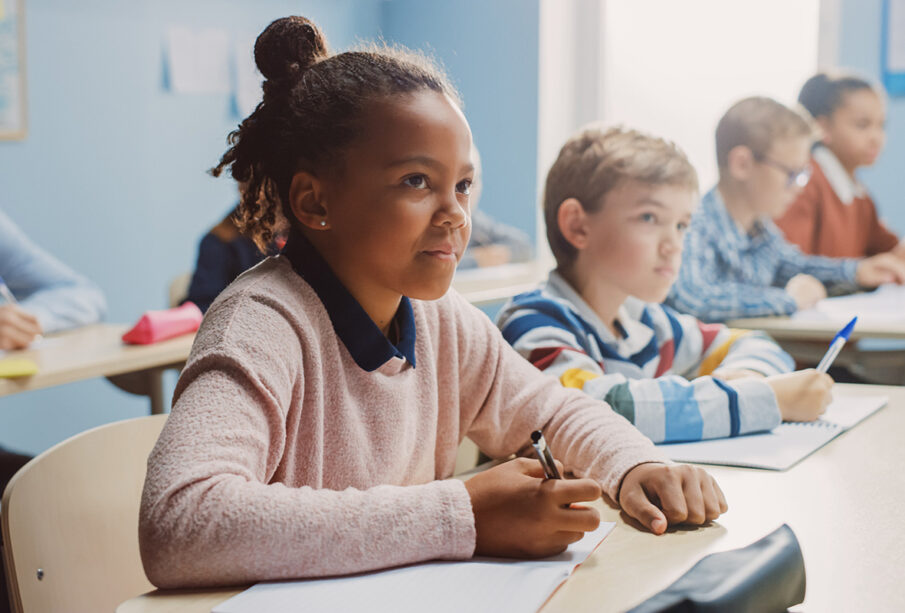
Learning is more than a classroom activity or a stage in life. It is a continuous process that influences how we think, how we solve problems, how we interact with others, and how we progress in our careers. The ability to learn, adapt, and grow has become one of the most essential strengths in the modern world. With workplaces changing, technology advancing, and expectations evolving, the people who understand the true nature of learning and apply it consistently shape stronger opportunities and more fulfilling lives.
What Learning Really Means
Learning involves gaining new understanding, skills, behaviors, or perspectives through experience, study, observation, or mentorship. It is not limited to formal education. Real learning happens in everyday situations, conversations, mistakes, and personal reflection. The most valuable form of learning is the type that helps a person think more clearly and act more effectively in real life.
Learning can come from:
- Structured lessons and courses
- Work experience and hands-on practice
- Problem-solving and experimentation
- Feedback, mentoring, and collaboration
- Personal curiosity and self-study
Understanding that learning occurs everywhere shifts the mindset from waiting for instruction to actively seeking growth.
The Role of Curiosity in Learning
Curiosity fuels learning. When someone is genuinely interested in a topic, they engage deeper, stay focused longer, and retain more information. Curiosity inspires questions that open new possibilities, leading to richer understanding and stronger problem-solving.
How to Strengthen Curiosity
- Ask why things work the way they do
- Explore topics that naturally draw your attention
- Challenge assumptions instead of accepting them automatically
- Seek new experiences that expand perspective
Curiosity turns learning into a lifelong habit instead of an obligation.
How the Brain Learns and Adapts
The brain constantly changes and forms new connections through learning. This is known as neuroplasticity. When you learn something new, your brain physically rewires pathways to store and apply that knowledge. The more the information is used or practiced, the stronger those pathways become.
Key Factors That Enhance Brain Learning
- Repetition and consistent practice
- Applying knowledge in real-life situations
- Connecting new ideas to existing knowledge
- Rest and sleep to allow memory processing
This means that learning is not limited by age. People can learn and adapt throughout their entire life if they continue to challenge their mind.
Types of Learning Styles and Preferences
Everyone learns differently. Understanding personal learning style helps improve efficiency and confidence.
Common Learning Styles
- Visual learners absorb information best through images, diagrams, and reading
- Auditory learners understand better through listening and speaking
- Kinesthetic learners learn through hands-on practice or movement
- Social learners thrive in group discussions
- Independent learners prefer self-paced study
Most people are a mix of styles. Recognizing your dominant style allows you to choose methods that fit you instead of forcing yourself into an ineffective approach.
The Importance of Active Learning
Passive learning happens when someone simply listens or reads without engaging deeply. Active learning involves participation and critical thinking.
Examples of Active Learning Techniques
- Taking notes in your own words
- Reflecting on what you learned after a lesson or experience
- Teaching the concept to someone else
- Asking clarifying questions
- Applying the knowledge immediately
Active learning leads to better retention and stronger understanding because the mind becomes engaged instead of simply receiving information.
Learning Through Mistakes
Mistakes are one of the most powerful learning tools. When something goes wrong, it highlights gaps in understanding or execution. Instead of treating mistakes as failure, they should be viewed as direction indicators.
How to Learn from Mistakes
- Analyze what caused the outcome
- Identify what needs to change next time
- Apply adjustments as quickly as possible
- Avoid repeating the same error without reflection
Growth rarely comes from perfection. It comes from response and resilience.
The Role of Discipline in Learning
Motivation can help you start learning, but discipline ensures you continue even when motivation fades. Successful learners develop steady study habits and routines that build gradual improvement.
Building Discipline in Learning
- Set regular time for study or practice
- Reduce distractions in learning environments
- Break large tasks into smaller manageable steps
- Track progress to maintain momentum
Discipline turns learning into a sustainable lifestyle choice.
Learning Across Different Stages of Life
Learning evolves depending on life stage and responsibilities.
Early Life Learning
Children learn rapidly through observation and play. They absorb language, movement, behaviors, and patterns by interacting with the world around them.
Young Adult Learning
This period involves academic or professional preparation. Learning helps establish independence and direction.
Adult Learning
Adults learn to advance careers, manage responsibilities, and achieve personal growth goals. Adult learning is often intentional and purpose-driven.
Late Life Learning
Older adults benefit cognitively, emotionally, and socially from continued learning. It increases memory health, social connection, and sense of identity.
Learning is not just possible at every age, it is beneficial.
Learning in the Workplace
Work environments require continuous learning to stay productive and competitive. Employees who develop new skills expand their value, while organizations benefit from adaptability and innovation.
Core Learning Areas in Most Jobs
- Technical and digital skills for efficient task execution
- Communication and collaboration skills for teamwork
- Leadership and decision-making abilities for responsibility growth
- Time and project management for productivity and organization
Workplace learning often occurs through mentorship, training programs, daily tasks, and observation of experienced colleagues.
Learning for Career Advancement
Advancing in any field requires effort beyond job responsibilities. People who invest in skill-building and self-development create more opportunities for promotions and leadership.
Strategies for Career-Oriented Learning
- Seek roles or tasks that challenge your current ability level
- Research industry trends to stay relevant
- Pursue certifications, courses, or workshops
- Ask for performance feedback to identify areas of improvement
Careers develop through intentional learning, not time alone.
Emotional Learning and Self-Awareness
Learning is not only cognitive. Emotional learning involves understanding your internal reactions, patterns, and communication style. This form of learning strengthens relationships, leadership, and personal well-being.
Emotional Learning Skills
- Recognizing emotional triggers and responses
- Listening empathetically to others
- Practicing patience and self-control
- Understanding different personality types
People with emotional awareness navigate personal and professional environments more successfully.
Digital Learning and Technology’s Influence
Technology has expanded access to information and created new ways to learn. Digital tools allow individuals to learn at their own pace, from any location, and across countless subjects.
Benefits of Digital Learning
- Flexibility and accessibility
- Large variety of educational resources
- Ability to learn from experts worldwide
- Interactive and personalized learning paths
However, digital learning requires discipline to avoid distractions.
Learning Through Reflection
Reflection deepens learning by helping individuals evaluate experiences and extract meaning from them.
Reflection Techniques
- Journaling thoughts after lessons or events
- Discussing experiences with others
- Asking yourself what worked, what didn’t, and why
- Using reflection to plan improved actions
Reflection turns experience into lasting lessons.
FAQs About Learning
How can I stay consistent when learning something new?
Create a routine around your learning instead of relying on motivation. Set specific times, track progress, and use small milestones to stay encouraged.
What if I feel overwhelmed by too much information?
Break information into smaller pieces and focus on one part at a time. Avoid multitasking and repeat content until clarity forms.
How long does it take to genuinely learn a new skill?
It depends on complexity and practice frequency. However, steady practice for even 15 to 30 minutes per day can produce noticeable improvement within weeks.
What is the most effective way to remember what I learn?
Use active learning. Teach the information to someone else, apply it in real situations, and revisit it regularly.
Can learning improve confidence?
Yes. Confidence grows naturally when ability improves. Every new skill learned increases a person’s sense of capability and independence.