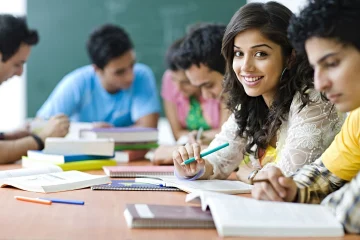
Understanding the Role and Development of a Student in Modern Education
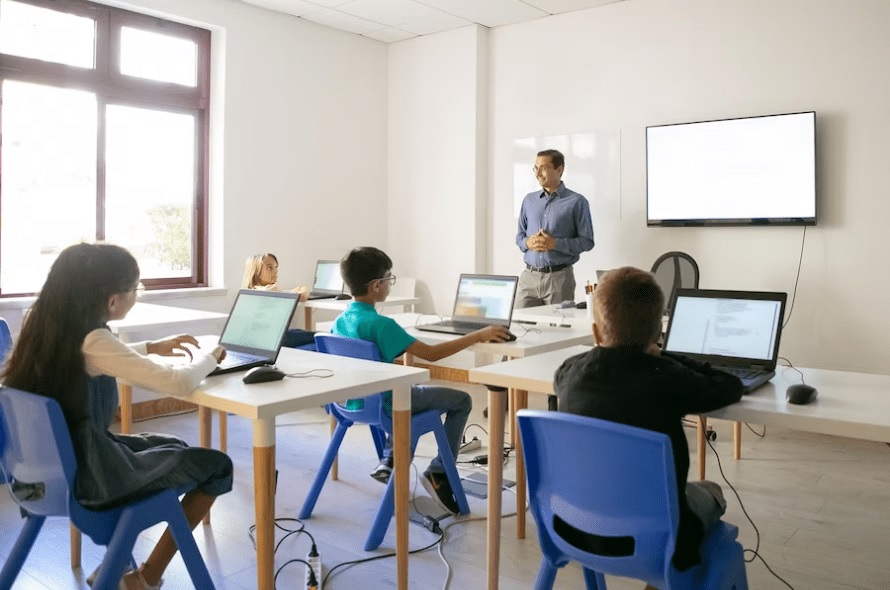
A student is more than a person attending classes. A student is a developing individual navigating intellectual growth, social challenges, personal identity, and career aspirations. The journey of a student reflects both personal effort and the environment provided by schools, families, and communities. Understanding the full depth of what shapes a student offers clearer insight into how to support learning, motivation, confidence, and long-term success.
What Defines a Student Today
The identity of a student has evolved over time. Traditionally, a student was viewed primarily as a learner within a school building. Today, students learn across multiple environments including classrooms, extracurricular settings, digital platforms, community spaces, and personal experiences. A student is actively constructing knowledge, forming character, and developing emotional intelligence.
Students are not simply absorbing information. They are:
- Learning how to think critically rather than just memorizing
- Building awareness of real-world challenges
- Discovering their personal interests and strengths
- Adapting to diverse social situations
- Preparing for flexible and changing career landscapes
This expanded view encourages more holistic support for student development, recognizing that academic performance is only one part of a student’s growth.
Intellectual Growth and Cognitive Skills
The foundation of student development is intellectual growth. Students progress through different cognitive stages where learning becomes increasingly complex.
Building Foundational Knowledge
In early education, students learn basic literacy and numeracy. These skills are essential building blocks for communication, reasoning, and independent thought. Strong emphasis is placed on:
- Reading fluency and comprehension
- Writing skills that promote clarity and organization
- Understanding math concepts and number relationships
These fundamentals support advanced learning in later years.
Developing Critical Thinking
As students age, the focus shifts toward analysis, interpretation, and problem solving. Critical thinking involves questioning assumptions, comparing perspectives, and drawing reasoned conclusions. This type of thinking prepares students to handle academic challenges and real-life decision making.
Encouraging Creativity and Innovation
Creativity is not limited to art. Creative thinking includes generating fresh ideas, designing solutions, and approaching tasks with flexibility. Students who learn to express creativity develop stronger confidence and are more equipped for careers involving technology, design, communication, and entrepreneurship.
Emotional and Behavioral Development
A student’s emotional growth influences how they handle stress, manage relationships, and respond to academic pressure.
Developing Self-Awareness
Students gradually learn to identify their strengths and areas for improvement. This awareness leads to stronger goal-setting and personal responsibility.
Handling Stress and Pressure
School can introduce emotional challenges such as:
- Performance anxiety
- Peer comparison
- Future uncertainty
- Balancing extracurricular and academic demands
Teaching coping strategies like planning, reflection, time management, and healthy emotional expression helps students maintain balance.
Building Resilience
Resilience allows students to recover after setbacks. A resilient student learns from failure instead of fearing it. Encouraging positive risk-taking, constructive feedback, and perseverance builds resilience over time.
Social Interaction and Relationship Building
Students spend a significant amount of time interacting with peers. These experiences shape how they form friendships, collaborate, and resolve conflict.
Peer Influence and Identity Formation
Peers play a strong role in shaping confidence and behavior. Healthy friendships can motivate positive habits and strong self-esteem. Students learn:
- Cooperation
- Patience
- Empathy
- Perspective-taking
Communication and Social Confidence
Participating in discussions, presentations, group work, and extracurricular activities helps students develop communication skills essential for academic and professional success.
The Role of the Learning Environment
A student’s environment influences motivation, academic achievement, and emotional development.
Supportive Classroom Climate
Healthy learning environments include:
- Respect between students and teachers
- Freedom to ask questions without embarrassment
- Opportunities for both independent and group learning
When students feel supported, they are more willing to take academic risks.
Family and Community Influence
Family encouragement influences academic discipline, self-belief, and resilience. Community involvement gives students exposure to real-world experiences and broadens their sense of purpose.
Learning Styles and Personalization
Not all students learn the same way. Recognizing personal learning styles helps improve engagement and retention.
Common learning styles include:
- Visual learners who benefit from diagrams and reading
- Auditory learners who understand better through listening
- Kinesthetic learners who prefer hands-on activities
- Read-write learners who learn through text and notes
Effective learning support adapts to student strengths rather than forcing one method on all learners.
Motivation and Goal Setting
Motivation determines how consistently a student works toward improvement. Internal motivation, where students learn because they value growth, is ideal.
Examples of motivation-building strategies:
- Setting realistic and measurable goals
- Celebrating steady progress rather than perfection
- Encouraging curiosity-driven learning
- Creating connections between schoolwork and personal interests
Challenges Faced by Students Today
Modern students experience challenges that affect academic performance and well-being.
Digital Distraction
Technology provides incredible learning tools but also distractions. Students must learn responsible device use, focusing skills, and media balance.
Academic Competition and Pressure
High expectations can create stress. Balanced guidance helps students focus on growth, not comparison.
Mental Health Concerns
An increasing number of students experience anxiety and stress. Access to counseling and emotional support can significantly improve long-term well-being.
Extracurricular Development and Real-Life Preparation
Learning outside the classroom builds confidence, responsibility, and character.
Examples include:
- Sports teams
- Debate and academic clubs
- Volunteer work
- Music, theater, or art programs
- Student leadership organizations
These experiences teach collaboration, time management, and personal responsibility. They also help students discover career interests and talents that may not appear in academic subjects.
The Student’s Path to Independence
As students mature, they transition from guided learning to self-directed responsibility. This includes managing schedules, forming personal values, and making career decisions. The ultimate goal of education is to prepare students to function confidently and successfully in adult life.
Frequently Asked Questions
What is the most important skill for a student to develop?
The most important skill is the ability to learn independently. When students can research, analyze, and apply information on their own, they can adapt to new challenges throughout life.
How can students stay motivated during difficult academic periods?
Students can stay motivated by setting small goals, tracking progress, asking for support when needed, and connecting schoolwork to personal interests or practical applications.
Why is emotional development as important as academic learning?
Emotional development helps students manage stress, build positive relationships, and develop healthy confidence. Without emotional stability, academic performance often suffers.
How can parents support a student at home?
Parents can support students by providing a structured study environment, communicating with teachers, encouraging reading, modeling problem-solving behavior, and showing interest in school activities.
What role does sleep play in student performance?
Sleep directly affects concentration, memory, mood, and physical energy. Students who maintain consistent sleep schedules perform better academically and emotionally.