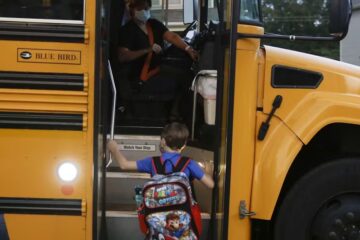
Understanding the Student Experience and the Path to Personal and Academic Growth

A student is more than someone who attends classes or studies textbooks. A student is an active learner who participates in building knowledge, developing skills, shaping identity, and preparing for future responsibilities. The journey of a student involves intellectual growth, emotional maturity, social development, and practical experience. Whether in elementary school, high school, college, or specialized training, the student role shapes a person’s confidence, discipline, and ability to navigate real challenges.
The Identity of a Student
A student is defined not only by enrollment in an educational institution but by the mindset of learning. Being a student means seeking understanding, asking questions, applying concepts, and engaging in continuous self-improvement. The identity of a student includes curiosity, responsibility, and resilience.
Students often begin as dependent learners guided closely by teachers, but over time, they transition into self-directed learners capable of setting goals and analyzing information independently. This transformation is essential for success in adulthood.
The Purpose of Being a Student
The purpose of being a student extends beyond earning grades. It involves developing core abilities that support academic and lifelong achievement.
Key Purposes of Student Life
- Gaining knowledge that supports personal and professional decisions
- Learning how to analyze problems and evaluate solutions
- Building communication skills for personal expression and collaboration
- Forming habits of discipline, time management, and accountability
- Developing a sense of social responsibility and empathy
These qualities shape how individuals handle relationships, work environments, and responsibilities throughout life.
Intellectual Growth and Critical Thinking
One of the most valuable outcomes of being a student is the development of critical thinking. Students learn to interpret evidence, compare viewpoints, and reach conclusions based on logic rather than assumption.
Critical thinking helps students:
- Evaluate information rather than accepting it blindly
- Solve complex problems with structured reasoning
- Understand cause and effect in academic and real-life situations
- Communicate ideas with clarity and confidence
This intellectual foundation empowers students to navigate challenges in education, careers, and personal life.
Academic Skills That Students Develop
Academic success requires more than memory. Students learn how to organize, plan, and process information in meaningful ways.
Core Academic Skills
- Note-taking: Selecting and recording key details efficiently
- Reading comprehension: Understanding and analyzing written material
- Writing: Expressing ideas clearly, logically, and persuasively
- Research skills: Finding credible information and evaluating sources
- Test preparation: Reviewing effectively and applying learned concepts
These skills stay relevant beyond school and form the basis of professional communication and problem-solving.
The Importance of Curiosity and Self-Motivation
Curiosity is the driving force behind deep learning. Students who cultivate curiosity engage with material more fully, understand it more completely, and remember it for longer.
How Students Can Strengthen Curiosity
- Ask why and how rather than memorizing facts
- Explore interests outside of direct assignments
- Connect new concepts to real-life examples
- Discuss ideas with teachers, classmates, and mentors
Self-motivation grows from curiosity. When students understand the purpose behind learning, they become more responsible for their own progress.
Time Management and Discipline in Student Life
Discipline determines how effectively students manage responsibilities. Balancing classes, homework, personal life, and extracurricular activities requires planning and consistency.
Effective Time Management Strategies
- Use a planner or digital calendar to schedule assignments
- Break large tasks into smaller steps
- Prioritize tasks by deadline and importance
- Set study times that remain consistent throughout the week
- Take short breaks to prevent burnout and maintain focus
Students who learn to manage time effectively often achieve stronger performance with less stress.
Emotional and Social Development
School environments expose students to diverse people, challenges, and expectations. These interactions shape emotional intelligence.
Key Emotional Skills Developed By Students
- Self-awareness of feelings and reactions
- Patience during difficult tasks
- Confidence to express needs and ask questions
- Resilience after mistakes or setbacks
- Empathy in understanding others’ experiences
These emotional skills influence leadership ability, mental health stability, and relationship quality.
Collaboration and Group Learning
Students frequently work in groups, which teaches cooperation, communication, and compromise. Collaboration teaches students how to engage respectfully with differing viewpoints.
Benefits of Group Learning
- Encourages active discussion and shared ideas
- Helps students learn from others’ strengths
- Improves listening and negotiation skills
- Teaches responsibility and accountability to a team
Group learning reflects real-world environments, where most tasks require teamwork.
Extracurricular Activities and Identity Building
Activities outside the classroom contribute to confidence and self-awareness. Sports, arts, clubs, and service organizations help students explore interests and develop talents.
Advantages of Extracurricular Participation
- Provides opportunities for leadership experience
- Strengthens social connections and belonging
- Enhances creativity and problem-solving
- Contributes to physical and emotional well-being
- Helps students discover passions that may influence future careers
These experiences often influence life direction as much as academic subjects do.
The Role of Teachers and Mentors
Teachers and mentors guide students through the learning journey. They offer knowledge, encouragement, and perspective that help students grow.
Effective Support from Educators
- Explaining concepts in engaging and understandable ways
- Providing constructive feedback
- Encouraging confidence and self-belief
- Helping students form goals and track progress
- Modeling positive communication and leadership
Positive mentorship can change the direction of a student’s life.
Challenges Students Often Face
Students experience pressure from academic expectations, social environments, and personal responsibilities. Understanding these challenges is important for growth.
Common Challenges
- Difficulty understanding certain subjects
- Pressure to achieve high grades
- Social anxieties or peer conflicts
- Time management struggles
- Lack of confidence or fear of failure
Addressing these challenges often requires patience and support rather than judgment.
Building Resilience and Problem-Solving Skills
Resilience allows students to handle setbacks without losing motivation. It grows through facing challenges and learning to adapt.
Ways Students Can Build Resilience
- View mistakes as learning steps instead of failures
- Seek solutions instead of focusing on problems
- Practice self-reflection to understand emotional reactions
- Reach out for help when needed instead of isolating
Resilience prepares students for future academic, workplace, and life challenges.
Preparing Students for the Future
Student life ultimately prepares individuals for adulthood. Whether pursuing higher education, vocational training, or entering the workforce, the student experience shapes capability and stability.
Life Skills Developed
- Independent decision-making
- Responsibility for personal progress
- Understanding how to set long-term goals
- Confidence in approaching new tasks
- Ability to adapt to changing environments
The habits formed during student years influence how successfully individuals navigate life transitions.
FAQs About Students
How can a student stay motivated during difficult periods?
Motivation improves when goals are meaningful. Students should connect learning to personal interests or future plans, break tasks into smaller steps, and celebrate progress. Support from teachers, family, or mentors also strengthens motivation.
What should students do if they feel overwhelmed with assignments?
The best approach is to prioritize tasks, communicate with teachers early, and break work into manageable parts. Time blocking and avoiding multitasking help reduce stress.
How can students improve concentration while studying?
Creating a quiet study environment, reducing digital distractions, using timed study sessions, and reviewing notes actively can strengthen focus. Healthy sleep and hydration also influence mental clarity.
Is it important for students to participate in extracurricular activities?
Yes. Extracurricular involvement builds confidence, teamwork, creativity, and real-life experience. It helps students explore interests beyond academics and develop a balanced identity.
How can parents support student success?
Parents can offer encouragement, maintain open communication, help create structured study habits, attend school events, and show interest in learning progress without applying harmful pressure.
.